
Discover effective options for targeting dark spots and uneven skin tone. This guide highlights five dermatologist-tested serums and brightening treatments that align with common skincare goals: clarifying discoloration, boosting radiance, and supporting a more even complexion. Each product section explains key ingredients, performance signals, and practical usage considerations to help you choose the right option for your skin type and concerns.
| Product | Brand | Key Benefit | Skin Type |
|---|---|---|---|
| Vitamin C Serum | Vitamin C Serum Brand | Brightening & Dark Spot Reduction | All Skin Types |
| TruSkin Vitamin C Serum | TruSkin Naturals | Brightening & Hyperpigmentation Support | All Skin Types |
| HANYWIL Dark Spot Remover | HANYWIL | Hyperpigmentation Treatment | All Skin Types |
| Ebanel Dark Spot Remover | Ebanel | Skin Brightening & Discoloration | All Skin Types |
| Ambi Even & Clear | Ambi Store | Fade Dark Spots, Even Tone | All Skin Types |
Vitamin C Serum – Dermatologist Tested
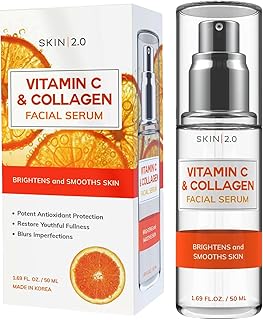
Brightening formula with dermatologist-tested claims, designed to reduce the appearance of dark spots and even skin tone. Suitable for various skin types, this serum typically emphasizes vitamin C as a foundational brightener and antioxidant support. Usage often involves a small amount applied to clean skin, followed by moisturizer and sunscreen in daytime routines.
TruSkin Vitamin C Serum

TruSkin Naturals Vitamin C Serum combines a brightening formulation with hyaluronic acid and vitamin E to support hydration and complexion clarity. It is frequently used to address uneven skin tone, dullness, and minor dark spots. The serum is suitable for all skin types and is designed for daytime and nighttime use, typically applied after cleansing and before moisturizer.
HANYWIL Dark Spot Remover

HANYWIL Dark Spot Remover targets hyperpigmentation with a dermatologist-tested approach. The formula is designed to address sun spots, age spots, and uneven skin tone, offering a treatment-focused option for those seeking corrective results. Suitable for daily use, it is typically applied to affected areas after cleansing.
Ebanel Dark Spot Remover

Ebanel Dark Spot Remover targets hyperpigmentation with a blend that includes Synovea, alpha arbutin, and niacinamide. This formulation aims to reduce discoloration, brighten the skin, and improve overall tone. It is positioned for consistent use on areas with discoloration and is suitable for a range of skin types.
Ambi Even & Clear Advanced Fade Cream

Ambi Even & Clear Advanced Fade Cream is hydroquinone-free and focuses on fading dark spots with a formulated blend including 5% niacinamide, licorice root extract, and PHA. This combination targets discoloration and texture, aiming to promote a more even skin tone over several weeks. It is suitable for treating stubborn spots while supporting gentle exfoliation and hydration.
Buying Guide
- Active ingredients: Common brighteners include vitamin C, niacinamide, alpha arbutin, and azelaic acid. Consider serums for daily use and creams for targeted spot treatment.
- Skin type compatibility: Most products target all skin types, but sensitive or acne-prone skin may benefit from formulas with calming ingredients and lower concentrations.
- Activation and color changes: Some brightening ingredients may cause temporary irritation or color changes on sensitive skin. Start with patch testing and gradual usage.
- Sun protection: Brightening products can increase photosensitivity. Daily broad-spectrum sunscreen is essential when using these products.
- Consistency and results timeline: Expect weeks to months for noticeable changes. A routine approach with morning and evening application typically yields the best results.
- Formulation differences: Serums often provide lighter textures and faster absorption, while creams deliver occlusive hydration and longer contact time with the skin.
- Brand and product claims: Look for dermatologist testing, cruelty-free labels, and transparent ingredient lists to assess safety and efficacy.
- Usage patterns: Some products are pigment-targeted spot treatments, while others are daily serums to support overall brightness and even tone.
- Allergy considerations: Check for potentially irritating components (fragrances, essential oils) if you have sensitive or reactive skin.