
Finding a face oil that supports acne-prone skin without clogging pores can feel challenging. The right formulas provide lightweight hydration, help balance oil, and address uneven tone or minor inflammation. This guide highlights five popular options, focusing on non-comedogenic oils and targeted treatments that can work alongside a standard skincare routine. Each pick is evaluated for absorption, backing ingredients, and suitability for blemish-prone complexions. Read on to compare options and identify which oil or serum best fits your skin goals.
| Product | Main Benefit | |
|---|---|---|
| The Ordinary Rose Hip Seed Oil | Evenness and elasticity support | All skin types, acne-prone |
| Palmer’s Skin Therapy Oil | Multi-oil blend for hydration and brightness | Dry to normal, acne-prone |
| Cliganic Jojoba Oil | Non-greasy moisture, barrier support | Oily to combination, acne-prone |
| Murad Deep Relief Acne Treatment | Spot and breakout relief | All acne-prone, especially inflamed |
| The Ordinary Niacinamide 10% + Zinc 1% | Oil control and texture improvement | Able to layer with oils, blemish-prone |
The Ordinary Rose Hip Seed Oil Review

The Ordinary 100% Organic Cold-Pressed Rose Hip Seed Oil is a lightweight option that hydrates without heaviness. It is described as hydrating the skin while supporting the appearance of uneven skin tone and improving elasticity. The product is organic, unrefined, and cold-pressed, which many acne-prone users find aligns well with sensitive or reactive skin. While it adds moisture, it’s important to apply sparingly and monitor for any reactions, especially if you are combining with actives like retinoids or acids. This oil can be used at night or layered under a moisturizer to seal in hydration.
Key considerations for this option include its history of supporting skin tone balance and elasticity. Those who prefer simple, single-ingredient oils often choose rose hip seed oil for its straightforward profile. It is not a silver bullet for breakouts, but it can complement a routine by addressing dehydration and texture when used correctly. If you’re searching for a natural, plant-based oil with clean ingredients, this rose hip seed oil is a solid contender to test in a small area first.
Palmer’s Skin Therapy Oil Review
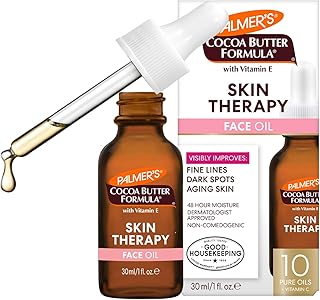
Palmer’s Cocoa Butter Formula Moisturizing Skin Therapy Oil is a multi-oil blend designed to moisturize and help improve the appearance of fine lines and dark spots. The formula incorporates cocoa butter, vitamin E, and a blend of ten facial oils, including rosehip oil, delivering a richer texture than some lighter serums. It’s marketed as an anti-aging option and is suitable for dry or normal skin, with attention to hydration and brightness. For acne-prone users, the oil’s heavier feel means a cautious, patch-tested approach is wise, especially for those with oily or congested skin. Use a small amount on targeted areas rather than all over the face if you’re acne-prone.
In practice, this oil can serve as a nighttime treatment to seal in moisture and improve skin softness. Those who experience dry patches alongside breakouts might find it beneficial when paired with a gentle cleanser and a non-irritating moisturizer. Be mindful of fragrance and consider a fragrance-free variant if you have sensitive or reactive skin.
Cliganic Organic Jojoba Oil For Skin

Cliganic Organic Jojoba Oil is a 100% pure, single-ingredient oil that users often apply as a lightweight moisturizer or carrier oil. Jojoba’s composition closely resembles the natural sebum, which can help regulate oil production without clogging pores. It is hexane-free and USDA organic certified, adding a level of trust for consumers seeking high-purity options. For acne-prone skin, jojoba can be soothing and non-irritating, making it a practical addition to routines that aim to minimize shine while keeping the skin hydrated. Start with a small amount and patch test to gauge your response, especially if combining with actives like vitamin C or retinoids.
Because jojoba is a gentle, non-greasy option, it pairs well with serums that address brightness or texture. It can also be used as a pre-mask treatment or a light overnight oil layer before your moisturizer. If you have sensitive or reactive skin, consider reducing frequency or using it only on damp skin to maximize absorption.
Murad Deep Relief Acne Treatment

Murad Deep Relief Acne Treatment targets deep, under-the-surface acne with 2% salicylic acid, functioning as a potent spot treatment. It is designed to reduce redness and promote faster healing for blemishes. This product is a dermatologist-developed solution intended for more severe or persistent breakouts. It’s used as a spot treatment rather than a daily oil, making it a complementary tool within a broader acne-focused routine. It’s important to follow usage directions to minimize potential irritation and to avoid combining with other exfoliating acids or retinoids on the same areas at the same time.
Users should monitor for initial dryness or sensitivity, common with salicylic acid products. Those who prefer oil-based hydration should apply this product strategically to blemish-prone zones, keeping it away from healthy, dry areas that might become overly irritated. For many, this is a practical option for targeted relief during breakout episodes rather than a daily skin care staple.
The Ordinary Niacinamide 10% + Zinc 1%

The Ordinary Niacinamide 10% + Zinc 1% serum is a lightweight, water-based option designed to brighten skin and reduce the appearance of pores and uneven texture. Niacinamide supports the skin barrier and provides oil-control benefits, while Zinc PCA can help regulate sebum production. For acne-prone skin, this serum can be layered before a moisturizer, or combined with a non-clogging facial oil if your skin tolerates it. Its formulation makes it suitable for daily use, and many users report visible improvements in texture and radiance within a week to ten days, provided there’s no irritation or sensitivity.
When integrating this product, consider your full routine: if you already use potent actives (retinoids or acids), you may want to alternate days or apply Niacinamide earlier in the routine to minimize potential interactions. As with any product, patch testing is advised, especially if you have sensitive or reactive skin or a history of rosacea or eczema.
Buying Guide: Key Purchase Considerations For Acne-Prone Skin
- Texture and absorption: For acne-prone skin, lightweight, fast-absorbing oils or serums reduce the risk of pore congestion. Look for terms like “lightweight,” “non-greasy,” or “oil-free.”
- Active ingredients: Niacinamide and zinc help regulate oil and improve texture; salicylic acid targets clogged pores and deep blemishes. Rose hip and jojoba oils offer hydration without heavy occlusion, which can support healing without triggering breakouts.
- Single-ingredient vs blend: Single-ingredient oils (like jojoba or rose hip) provide predictable results, while multi-oil blends offer comprehensive hydration but may introduce comedogenic elements for some users.
- Avoid potential irritants: Fragrances, essential oils, and harsh additives can irritate acne-prone skin. Prioritize fragrance-free or mild formulas if sensitivity is a concern.
- Patch testing: Always patch test new products on a small area for 24–72 hours to assess tolerance before applying to the entire face.
- Layering strategy: If using actives (ruled out by a doctor if uncertain), place water-based serums before oils and creams. Oils generally go last in a routine to lock in moisture.
- Skin goals alignment: Choose products based on your priorities—hydration, brightness, oil control, or targeted acne relief—and tailor frequency to your skin’s response.
In sum, acne-prone skin benefits from balanced hydration and non-irritating formulas. The five products highlighted here offer a spectrum—from gentle, single-ingredient oils to targeted acne treatments. Testing a couple of options under a consistent routine can help identify the best match for your skin’s unique needs without overwhelming your complexion.