
Direct answer: look for products that target dark spots, hyperpigmentation, and uneven skin tone with active ingredients like tranexamic acid, niacinamide, and glycolic acid. This guide highlights five well-suited options for different skin types and goals, from targeted serums to multi-step sets. The top picks are ideal for anyone seeking a clearer, more even complexion, including those dealing with sun spots, post-acne marks, or melasma. A quick buyer table follows to help you compare at a glance.
Summary table of chosen products
| Product | Brand | Best For | Main Ingredients |
|---|---|---|---|
| Discoloration Correcting Serum | Good Molecules | Targeted facial dark spots | 3% Tranexamic Acid, 4% Niacinamide |
| Mela B3 Serum | La Roche-Posay | Sun and age spots, long-lasting correction | Melasyl complex, 10% Niacinamide |
| Discoloration Correcting Serum (Tranexamic & Niacinamide) | Good Molecules | Even tone, dull texture reduction | 3% Tranexamic Acid, 4% Niacinamide |
| Palmer’s Skin Success Dark Spot Corrector | Palmer’s | Dark spots, age spots, uneven tone | Niacinamide, natural butters/oils |
| Admire My Skin Dark Spot Corrector | Admire My Skin | Melasma, sun spots, hyperpigmentation | Kojic Acid, Azelaic Acid |
Good Molecules Discoloration Correcting Serum

The Good Molecules Discoloration Correcting Serum targets dark spots and uneven skin tone with emphasis on a bright, balanced complexion. It is described as hydrating and healing, designed to help the skin repair and replenish. This product is best for individuals seeking a focused facial solution to brighten patches of hyperpigmentation and improve texture without heavy or greasy residue.
Best for: Individuals dealing with facial dark spots, sun-induced discoloration, and post-acne marks who want a straightforward serum. It is particularly suitable for those who prefer a lightweight hydration with active brightening ingredients.
Why selected: It combines tranexamic acid and niacinamide to address uneven tone and enlarged pores, with a formulation aimed at restoring natural glow. The focus is on balanced complexion rather than dramatic bulky results.
Important note: Some users may require complementary products for broader body discoloration or melasma management. Patch testing is advised for sensitive skin.
Good Molecules Discoloration Correcting Body Treatment

This body-focused formula targets discoloration across larger areas such as chest, neck, arms, back, and thighs. It leverages tranexamic acid ester salt and exfoliating capabilities with LHA to help smooth and brighten skin over a broader surface. It is best for those who want a cohesive approach from head to toe, addressing body pigmentation alongside facial concerns.
Best for: People with widespread discoloration on the body who want a non-greasy, lightweight moisturizer that supports hydration while targeting pigment patches. Not ideal for those seeking solely facial results; it’s a body-wide option.
Limit: This product is not a substitute for prescription therapies or professional treatments for severe or stubborn melasma.
Good Molecules Discoloration Correcting Serum with Tranexamic Acid
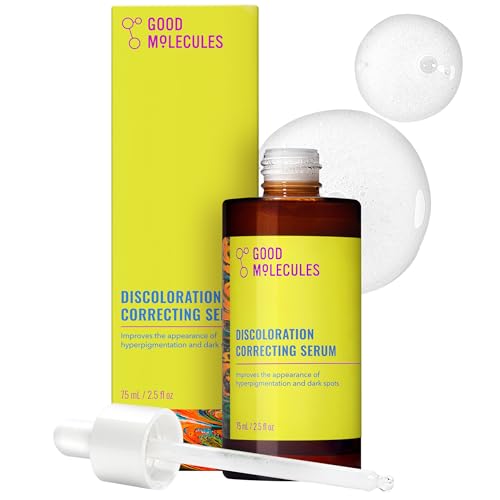
This variant of the Good Molecules serum emphasizes tranexamic acid and niacinamide to target dark spots and hyperpigmentation. It is hydrating and designed to help restore a natural glow and even skin tone, with a focus on improving texture and clarity. This option is well-suited for those seeking a targeted facial solution with a balance of brightening and pore-fine-tuning effects.
Best for: Individuals wanting a brightening serum with a strong focus on tranexamic acid and niacinamide for even tone. Choose this if you prioritize pigment reduction and smoother texture without heavy fragrance or oils.
Limitation: Results are gradual and dependent on consistent use and sun protection to prevent new discoloration.
Palmer’s Skin Success Dark Spot Corrector

Palmer’s Skin Success Dark Spot Corrector is a niacinamide-based formula designed to fade dark spots and even skin tone while supporting suppleness and elasticity. It emphasizes a blend of natural ingredients such as shea and cocoa butter and coconut oil to deliver hydration alongside active brightening. The product is best for those who want a readily available, fragrance-conscious option with a focus on reducing the appearance of discoloration.
Best for: Those seeking a well-established, accessible option for daily use to target uneven skin tone and dark spots. It’s suitable for normal to dry skin types needing extra moisture during treatment.
Limitation: Results may vary with skin type; users with oily skin may prefer lighter formulations or layering with a gel-based serum.
Admire My Skin Dark Spot Corrector

This kojic and azelaic acid-containing serum targets melasma and sun spots with a brightening approach. It is positioned as suitable for all skin types and notes potential improvements within a four-week period when used as directed. The combination of kojic and azelaic acids can help inhibit pigment production and refine discoloration in moderate cases.
Best for: People dealing with melasma or multiple focal dark spots who want a dedicated treatment with acids that target pigment synthesis. Not ideal for extremely sensitive skin without a patch test due to acid content.
Limitation: Sensitive individuals should approach cautiously; starting with a patch test is advised to assess tolerance to acids used in the formula.
Buying Guide: How to Choose A Discoloration Product
What to look for when shopping for a discoloration product:
- Key active ingredients: Tranexamic acid, Niacinamide (Vitamin B3), Glycolic acid, Kojic acid, and Azelaic acid are common targets for pigment reduction and texture refinement.
- Skin type compatibility: Lightweight serums work well for oily or combination skin; richer creams suit dry skin. Body products suit larger surface areas.
- Scope of use: Facial products focus on targeted spots and overall tone; body treatments address broader discoloration on arms, legs, or torso.
- Sun protection: Use sunscreen daily to prevent re-discoloration and to maximize the effectiveness of brightening ingredients.
- Consistency and patience: Pigment reduction typically requires several weeks of consistent use; avoid mixing too many actives that could irritate sensitive skin.
- Patch testing and sensitivity: Especially with acids or stronger actives like kojic acid, test a small area before full-face application.
How to use these products effectively
- Start with a clean face and apply a small amount to the affected areas, following the product’s recommended frequency.
- Layer sun protection as the final step during the day to protect against UV-induced discoloration.
- Consider pairing with a hydrating, non-irritating moisturizer to support the barrier during active treatment.
Who should consider combinations or sets?
- For broader discoloration, a two-step set that includes a brightening toner and a correcting serum can help ensure even results.
- People with mixed concerns (face and body) may benefit from separate focal face serums and body treatments rather than a single product covering both areas.
FAQ
- Do these products work for all skin tones? They target pigment and texture but results vary by skin type and tone. Start with patch testing and choose products suited for your skin’s sensitivity and hydration needs.
- How long before I see results? Most users report gradual improvement over several weeks with consistent use and sun protection.
- Can I use multiple discoloration products together? It’s best to consult a skincare professional or start with one active at a time to monitor tolerance; layering too many actives can increase irritation.
- Is sun protection necessary? Yes. Sunscreen is essential when using brightening or pigment-targeting products to prevent new discoloration and support results.
- Are these products safe for sensitive skin? Some formulas include acids; patch testing is recommended to assess tolerance before full-face use.
- Can these help with melasma? Some ingredients can help reduce pigment visibility, but melasma often requires a comprehensive approach, potentially including professional guidance.