
Answering the question for buyers seeking durable, skin-toned camouflage, the best skin dye for scars provides long-lasting coverage for light or unpigmented areas. These products are suited for people with vitiligo, scar camouflage needs, or hypopigmentation. They offer varying longevity, skin-type compatibility, and application styles. This guide highlights five products, explaining who they’re best for and why each stands out.
| Product | Best For | Longevity |
|---|---|---|
| Waterproof Vitiligo Treatment Skin Dye | Vitiligo patches and light scars | Long-lasting |
| Skin Pigment for PMU and Scars | PMU and scar corrections | Moderate |
| Complexion Blender (4oz) | Hypopigmentation and scar concealing | 3–10 days |
| Biocorneum Silicone Scar Gel SPF 30 | Surgical and other scars | Silicone-based long-term care |
| Nuva Pigments for PMU Scar Procedures | Scar camouflage and color adjustment | Long-lasting |
Waterproof Vitiligo Treatment Skin Dye for Darkening Unpigmented Skin Patches

Best for: Individuals seeking a high-strength, waterproof option to darken light skin patches caused by vitiligo or scarring. This product emphasizes intensity and durability, offering an alternative to concealers.
Why selected: It provides maximum-strength pigmentation in a concentrated formula designed to stay put, even in moist conditions. The waterproof nature helps reduce reapplication frequency for ongoing camouflage.
Limitations: The formula is concentrated, so users with very sensitive skin should perform a patch test to avoid irritation. Odorless formulation reduces scent concerns but does not guarantee universal tolerance.
Skin Pigment for PMU and Scars Cover
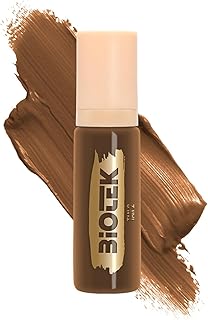
Best for: Professionals and home users performing paramedical dermopigmentation or PMU corrections, especially for creating consistent skin tones in scar areas.
Why selected: The Tan 2 pigment offers a deep, slightly orange undertone suitable for matching certain skin tones in PMU and scar work. Packaging supports efficient usage with minimal waste.
Limitations: This pigment is formulated for PMU use and may not be ideal for casual non-PMU hide applications. Ensure color matching with existing skin tone before application.
Complexion Blender (4oz) – Hypopigmentation Skin Dye

Best for: People seeking professional-strength, customizable pigmentation to camouflage vitiligo patches, scars, or stretch marks and to blend across all skin tones.
Why selected: Chromelin’s Complexion Blender is a professional-grade dermal dye with adjustable pigment intensity. It can serve as a base color under other cosmetics and offers long-lasting, waterproof performance.
Limitations: The product relies on careful, repeated applications for darker results. Vanishing or fading can occur with excessive exfoliation or water exposure beyond typical activities.
Biocorneum Silicone Scar Gel SPF 30

Best for: Surgical and other scar types seeking a silicone-based scar treatment with sun protection to minimize hyperpigmentation and visible scarring over time.
Why selected: This product emphasizes silicone technology to reduce scar visibility and provides SPF 30 for everyday exposure. It is positioned as a versatile option for ongoing scar management.
Limitations: Not a traditional pigment dye; primarily a scar treatment gel. Users seeking immediate color masking should pair it with a color-dense dye or pigment product.
Nuva Pigments for PMU Scar Procedures

Best for: PMU and scar professionals seeking a versatile pigment system with a cool undertone for camouflage, lightening, and color adjustment on scar tissue.
Why selected: The system supports endless color possibilities through mixing and matching, aiming for durable, natural-looking outcomes that integrate with surrounding skin.
Limitations: Availability and color matching depend on client needs and procedure complexity; testing in small areas is advisable to ensure final tone alignment with the client’s skin.
Buying Guide: Key Purchase Considerations
What to evaluate when choosing a skin dye for scars:
- Intended use: Are you camouflaging vitiligo patches, scars, or post-procedure skin?
- Longevity vs. wash-off: Do you want days of wear or waterproof performance that lasts through showers?
- Skin type and safety: Are you dealing with sensitive skin, and does the product offer safe formulations or patch testing?
- Undertone match: Do you need a cool, warm, or neutral undertone to blend with your natural skin?
- Application context: Is the dye for self-application at home or professional PMU/scar camouflage work?
Color and Coverage Considerations
Sel ect a product that provides adjustable pigmentation or a base tone that aligns with your skin’s undertone. For vitiligo or hypopigmentation, a waterproof or long-lasting option reduces frequent reapplication. For scar camouflage, a color when mixing with other pigments should harmonize with surrounding skin.
Safety and Usage Tips
Always perform a patch test 24–48 hours before full application. Follow product directions for storage and usage. If you have sensitive skin, look for formulas labeled as hypoallergenic or fragrance-free and consult a professional for PMU procedures.
Professional vs. Home Use
Professional-grade pigments and complexions are often intended for trained technicians. Home-use products prioritize safety and ease of application but may require careful color matching and multiple layers to reach the desired shade.
FAQ
- What is the difference between a skin dye and a silicone scar gel?
- Can these dyes be used on all skin tones?
- How long does pigmentation typically last?
- Is a patch test necessary before using these products?
- Are these products suitable for post-surgical scar camouflage?
- Should I consult a professional for PMU pigment choices?
Direct answers:
- A skin dye adds pigment to unpigmented skin areas, while silicone scar gel helps manage scar appearance but does not color-match skin the same way dyes do.
- Many products are designed for a range of skin tones; always test a small area first and consider undertone compatibility.
- Longevity ranges from several days to few weeks, depending on product type, skin care, and exposure to water or abrasion.
- Yes. Patch testing reduces risk of irritation or an adverse reaction.
- Yes, for certain scars, especially surgical scars, camouflage can be beneficial when used with appropriate pigments.
- Consulting a PMU professional can help when color matching and technique are critical for natural results.